A 4WD winch should suit the loaded vehicle, its mounting system and the recoveries it may face. Rated pulling power is only the starting point. Rope type, duty cycle, electrical supply, gearbox, control system and line speed also need to be considered. The aim is a complete recovery setup that works with the vehicle, rather than the largest winch that will physically fit.
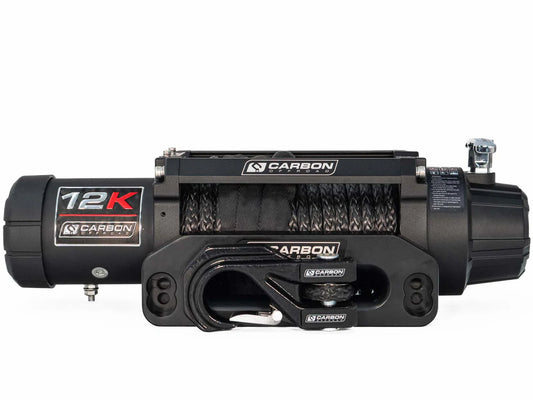
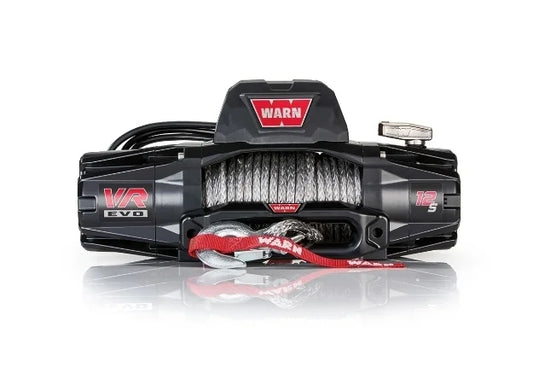
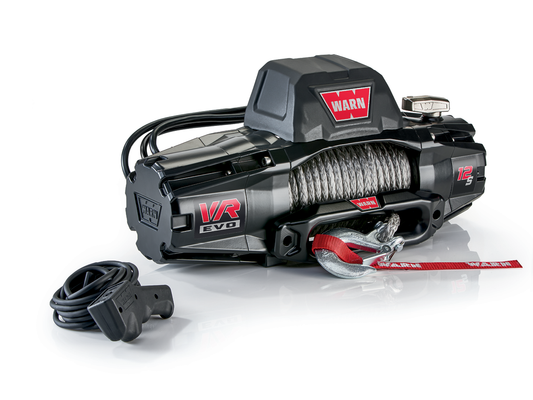
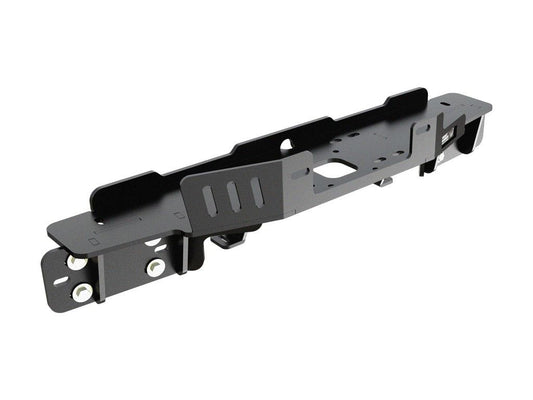
This collection includes WARN EVO 10S and EVO 12S winches, the Carbon Off-road Carbon 12K, a Front Runner Ford Ranger cradle and a RAXAR extension rope. We can help confirm compatibility with your vehicle, bull bar and intended use before installation.
Need it fitted? Our Ferntree Gully and Pakenham workshops supply and install everything in this range. Not sure which option suits your vehicle? Call our friendly staff on
1300 633 762 before you order.
KEY CATEGORIES AND WHAT THEY'RE BUILT FOR
WARN TOURING WINCHES
The WARN EVO 10S and EVO 12S provide two capacity options for buyers comparing a WARN winch for touring or regular off-road recovery.
CARBON OFF-ROAD WINCHES
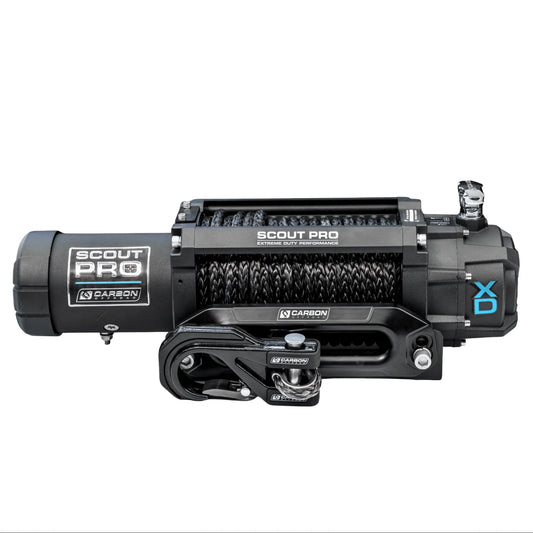
The Carbon 12K is the Carbon winch option in this collection. It combines the stated 12,000lb capacity with synthetic rope and a wireless remote.
CRADLES AND EXTENSION ROPE
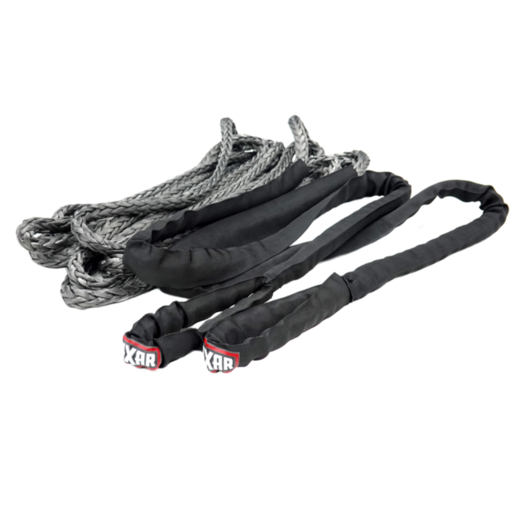
The Front Runner Ford Ranger Winch Cradle provides a vehicle-specific mounting option. The RAXAR Winch Extension Rope is 20m long and 11mm in diameter.
COMPLETE RECOVERY EQUIPMENT
A winch recovery kit may also require a tree saver, suitably rated shackles, an extension rope and a pulley or snatch block. Confirm each component's marked rating and compatibility before use.
CHOOSE BY USE CASE
REMOTE TOURING
Start with the loaded vehicle weight, mounting capacity and likely recovery conditions. Regular or remote use makes heat management, control placement, electrical condition and access to the clutch important considerations.
OCCASIONAL TRACK RECOVERY
An electric winch still needs to be matched to the vehicle and bar even if it is carried mainly as a precaution. Check 12V compatibility, mounting requirements and the manufacturer's operating instructions.
LONG OR ANGLED PULLS
An extension rope can help when the anchor point is beyond the rope carried on the drum. A double-line setup may be appropriate in some recoveries, but every connection point and component must be suitable for the load.
WHY WINCH CAPACITY MATTERS
A common starting point is a winch rated to at least 1.5 times the loaded vehicle weight. This is guidance, not a complete fitment rule. Mud, gradients, rolling resistance and the recovery angle can increase the work required. Bull bar or cradle capacity may also limit the winch that can be fitted.
Use the vehicle's loaded weight or applicable GVM, not tare weight alone. Do not select a 4WD winch only by vehicle badge or advertised maximum pull. The workshop can assess the complete combination before recommending a model.
SYNTHETIC ROPE VS STEEL CABLE
Synthetic winch rope is commonly selected for touring because it is lighter and easier to handle. It also behaves differently from steel cable if damaged. Steel cable can remain relevant where abrasion against rock is a major concern.
Both options require inspection, correct spooling and protection from avoidable damage. Rope choice should reflect the terrain, how often the winch will be used and the operator's maintenance routine.
CONTROL SYSTEM, MOTOR AND ELECTRICAL SETUP
When comparing 4x4 winches, review the stated duty cycle, controller design, motor, gearbox and line speed alongside rated capacity. Product specifications should be checked for the exact model rather than assumed from the brand.
The vehicle's battery, charging system, cable routing, isolation and connection points also need attention. Poor routing or undersized electrical components can compromise an otherwise suitable installation. Requirements vary between vehicles and winches.
WINCH CRADLES AND BAR COMPATIBILITY
A bull bar must have a suitable mounting system and sufficient capacity for the proposed winch. A generic winch mounting plate is not automatically interchangeable with a vehicle-specific cradle. Bolt pattern, clearances, fairlead position and access to the controls all need to be checked.
Some products in our bull bar collection may support winch installation, but compatibility should be confirmed for the exact bar, vehicle and winch combination. The Front Runner Ford Ranger cradle provides an option for the relevant Ranger application.
BRANDS REPRESENTED IN THIS COLLECTION
The collection includes WARN, Carbon Off-road, Front Runner and RAXAR products. WARN is represented by the EVO 10S and EVO 12S. Carbon Off-road is represented by the Carbon 12K. Front Runner supplies the listed Ranger cradle, while RAXAR supplies the listed extension rope.
If you are comparing a Bushranger winch with a WARN or Carbon model, contact the team rather than assuming equivalent fitment or specifications.
WHAT A QUALITY WINCH INSTALLATION INVOLVES
Installation starts with confirming the cradle or bar rating and the available clearances. The winch must be secured with the correct hardware, and the fairlead, clutch and controller need to remain accessible. Electrical cables require protected routing and connections suited to the vehicle and winch. Synthetic rope should be spooled under tension in accordance with the manufacturer's instructions, followed by appropriate installation checks.
Our Ferntree Gully and Pakenham workshops can assess the vehicle, mount the winch, complete the required electrical work and check the finished installation. Compliance requirements can vary by vehicle, bar and location, so consult the manufacturer's documentation and relevant state regulations. Send us a service enquiry with your vehicle, bull bar and preferred winch so we can confirm the next step.
Email sales@ultimateoffroad.com.au with your vehicle details and our friendly staff will confirm fitment, quote the work and arrange a booking at Ferntree Gully or Pakenham.






 Read the Privacy Policy






 1300 633 762