Recovery straps need to suit the loaded vehicle, recovery method and connection points. A snatch strap or kinetic rope that is poorly matched can transfer excessive shock or fail to work as intended. Static straps have a different role. A tree trunk protector and winch extension strap belong in a winching setup, not a snatch recovery.
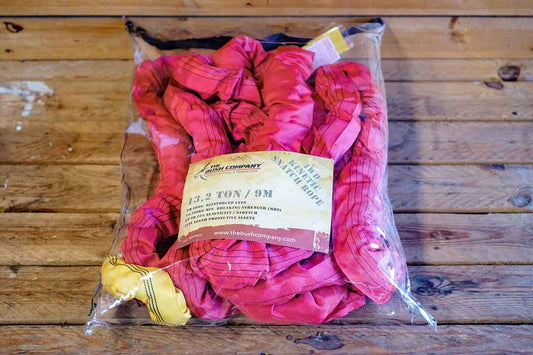
This collection contains Roadsafe straps and The Bush Company straps for different recovery tasks. The range covers snatch straps, a kinetic snatch recovery rope, tree trunk protectors, an equaliser strap, pull-extension straps and a winch extension strap. Selection should start with the intended use, not the largest rating on the shelf.
Need it fitted? Our Ferntree Gully and Pakenham workshops supply and install everything in this range. Not sure which option suits your vehicle? Call our friendly staff on
1300 633 762 before you order.
KEY CATEGORIES AND WHAT THEY'RE BUILT FOR
KINETIC SNATCH ROPES
A kinetic rope stretches and stores energy during a snatch recovery. Engagement is generally more progressive than with a flat snatch strap, but the rope must still match the vehicle, recovery resistance and compatible hardware.
SNATCH STRAPS
A snatch strap uses flat polyester webbing with elastic stretch. It remains a practical choice for occasional recovery when its rating, condition and manufacturer instructions suit the complete setup.
TREE TRUNK PROTECTORS
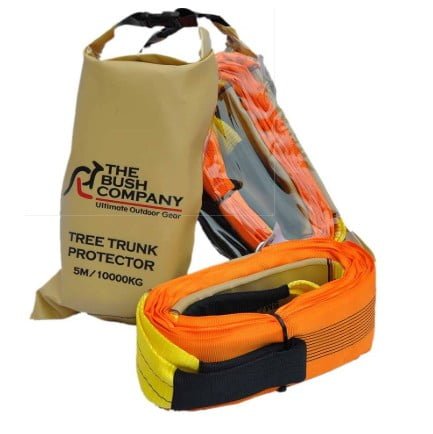
A tree trunk protector is a static strap used to create a broader connection around a suitable tree anchor. It is intended for winching, not for storing energy during a snatch recovery.
PULL-EXTENSION AND WINCH EXTENSION STRAPS
A pull-extension or winch extension strap provides additional reach where the working distance exceeds the available line. These are static recovery components and must not be substituted for kinetic equipment.
KINETIC ROPE VS SNATCH STRAP
The main difference between a kinetic rope and a snatch strap is construction and how each stretches under load. A kinetic rope uses rope construction to store energy through its stretch. A traditional snatch strap uses flat webbing and generally stretches less, producing a sharper engagement.
Neither option is automatically right for every vehicle. Loaded mass, terrain, the resistance of the stuck vehicle, recovery points and connected hardware all matter. Read the product instructions and assess the complete recovery system before use.
RATING RECOVERY STRAPS TO THE VEHICLE
Do not select recovery straps by choosing the highest number available. Equipment that is poorly matched to the load may not behave as intended. Check the strap or rope label, manufacturer guidance and the loaded vehicle mass, including accessories, cargo and any touring load.
The recovery vehicle also matters. Confirm that the recovery points, shackles, hitch components and other hardware are compatible with the intended pull. A rated strap does not compensate for an unsuitable connection point or an improvised attachment.
STATIC STRAPS FOR WINCHING
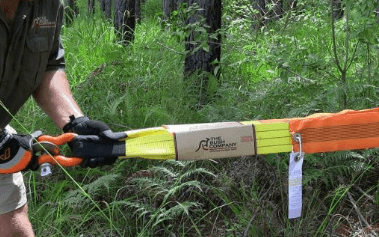
Winching places different demands on equipment from a snatch recovery. A tree trunk protector creates an anchor connection without running the winch line directly around the tree. A winch extension strap increases reach when the anchor is beyond the available line.
Keep static and kinetic equipment clearly identified in the recovery kit. Before connecting either type, inspect its label and confirm the intended use. Never assume similar-looking straps are interchangeable.
INSPECTION, CLEANING AND STORAGE
Inspect ropes and straps before packing and again before use. Look closely at the eyes, stitching and load-bearing surfaces. Fraying, cuts, melted or glazed fibres, heavy UV fading, damaged stitching and ground-in grit are reasons to stop and assess the equipment against the manufacturer instructions.
After exposure to sand or mud, clean the product as directed and let it dry before storage. Keep it protected from direct sunlight, contamination and sharp objects. Replace equipment according to its condition and manufacturer guidance, not a workshop estimate based only on age.
DAMPERS AND RECOVERY PROCEDURE
A damper is part of a controlled recovery procedure where required by the equipment instructions and recovery method. Position it as directed and keep people clear of the line of pull. A damper does not make an unsuitable attachment or damaged strap safe.
Plan the recovery before loading the line. Agree on communication, identify exclusion areas and stop if the equipment shifts, binds or behaves unexpectedly. Follow the vehicle and recovery-equipment manufacturer instructions throughout the operation.
CHOOSE BY USE CASE
Occasional snatch recovery: Consider a correctly matched snatch strap where the product instructions and complete recovery setup support its use.
More progressive engagement: A kinetic rope may suit a properly planned snatch recovery where its rating and connected hardware match the vehicles involved.
Winching from a tree anchor: Use a tree trunk protector intended for that task, together with compatible winching hardware.
Extending line reach: Choose a pull-extension or winch extension strap. Do not use a static extension strap for snatching.
BRANDS IN THIS COLLECTION
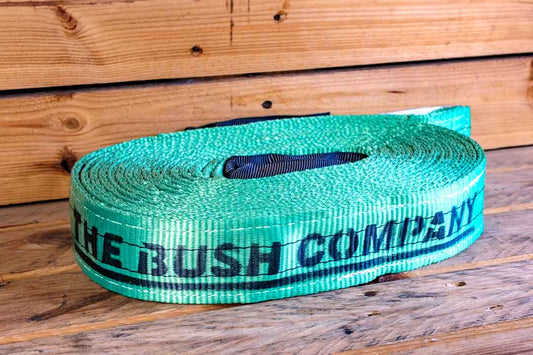
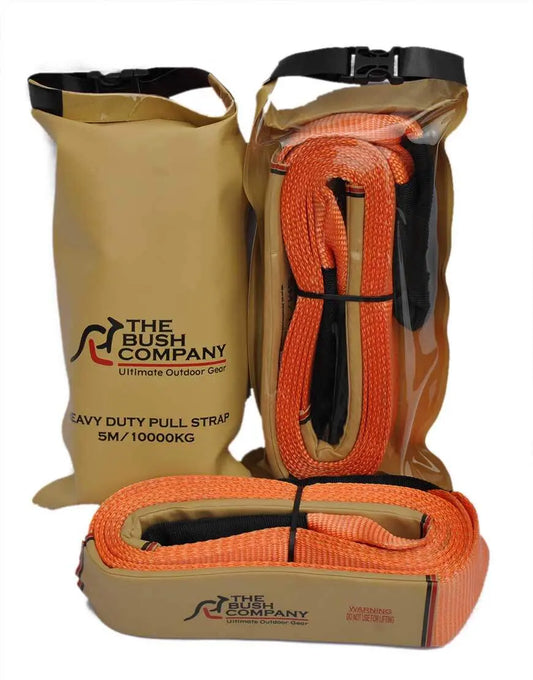
The Bush Company products in this collection include a kinetic snatch recovery rope, pull-extension straps and a tree trunk protector. Choose between them according to the recovery method and the instructions supplied with the product.
Roadsafe supplies the flat snatch straps and supporting static components in this collection, including a tree trunk protector, equaliser strap and winch extension strap. Check each Roadsafe strap individually because products serving different recovery tasks are not interchangeable.
WHAT TO LOOK FOR WHEN CHOOSING RECOVERY STRAPS
Start with three checks. Confirm the product is intended for the recovery method. Check that its rating and instructions suit the vehicles and expected load. Then confirm every connection point and hardware component is appropriate for the planned setup.
Avoid products with an unreadable label, unexplained rating or visible damage. Do not knot a recovery strap or connect it to an unrated point. If the setup is unclear, stop and get it assessed before the vehicle is stuck.
Ultimate Offroad is family owned and independent. Our Ferntree Gully and Pakenham workshops can review recovery straps against your vehicle, fitted recovery points and intended terrain. We can also help organise the compatible components into a clear recovery setup. Send us a service enquiry to discuss the vehicle and intended use.
Email sales@ultimateoffroad.com.au with your vehicle details and our friendly staff will confirm fitment, quote the work and arrange a booking at Ferntree Gully or Pakenham.






 Read the Privacy Policy







 1300 633 762