Off-grid touring depends on reliable power. Your 4WD is only as capable as its electrical system: a quality fridge means nothing without a battery to run it, communication gear sits idle without power, navigation systems drain faster than expected, and lighting fails when you need it most. Electrical system design matters far more than simply buying random components.
Ultimate Offroad supplies and installs dual battery systems, lithium battery setups, AGM deep-cycle batteries and the chargers and monitoring needed to keep them healthy. Whether you need to run a 60L fridge for a weekend or power a 12V touring rig for a week, we spec the system around your actual electrical load and install it cleanly at our Victorian workshops.
KEY CATEGORIES AND WHAT THEY'RE BUILT FOR
DUAL BATTERY SYSTEMS
Foundation of serious off-road touring. Starter battery protected, secondary battery powers fridge, lights and accessories without compromising vehicle starting.
LITHIUM BATTERIES
40-60% lighter than AGM at the same capacity, 80-90% usable depth of discharge, 3,000+ cycles. Right for any rig running a fridge full-time.
DC-DC CHARGERS
REDARC and Projecta multi-stage chargers between alternator and auxiliary battery. Required for modern smart-alternator vehicles.
SOLAR & MONITORING
Solar panels, regulators, battery monitors and inverters. Extend touring time at camp and give full visibility of the system.
WHY POWER IS A SYSTEM, NOT A SINGLE BATTERY
Dual battery systems keep your starter battery protected so the vehicle always starts reliably, even after extended use of electrical equipment. Solar panels extend your travel range by topping up batteries during the day, DC-DC chargers regulate power flow from the engine to auxiliary batteries, lithium battery systems provide high capacity in compact packages, and battery monitors show real-time power consumption.
These are not luxury additions. They are essential infrastructure that keeps your vehicle operating reliably when travelling far from assistance.
DUAL BATTERY SYSTEMS
Dual battery setups form the foundation of serious off-road touring. Your factory battery starts the engine while a secondary battery powers accessories such as fridges, lighting and communication systems. This separation ensures your vehicle always starts reliably, even after extended use of electrical equipment.
A properly installed dual battery system includes battery isolation systems, correctly sized cabling and appropriate fuse protection. Installation quality matters: poor wiring or incorrect component selection can create electrical faults and unreliable charging. Professional installation ensures safe, reliable operation and efficient power delivery.
LITHIUM VS AGM, AND HOW TO CHOOSE
AGM (absorbed glass mat) deep-cycle batteries are the long-standing standard. Cheaper to buy, heavier, lower usable capacity (typically 50% before damage), shorter cycle life. They suit short-trip and weekender setups where weight is not critical and the spend has to stay tight.
Lithium iron phosphate (LiFePO4) batteries cost more upfront but deliver dramatically more usable capacity (usually 80 to 90% before damage), much faster recharge, far lower weight (40 to 60% lighter than AGM at the same Ah), and far longer cycle life (3,000+ cycles vs 500-800 for AGM). For any touring rig that runs a fridge full-time or sees more than a few weekends a year, lithium is the right answer. Browse the lithium range for vehicle-specific options.
DC-DC CHARGERS AND POWER MANAGEMENT
Modern vehicle alternators do not produce a steady voltage suitable for charging deep-cycle batteries. They run variable output that can either undercharge (smart alternators) or overheat (older alternators) the auxiliary battery. A DC-DC charger regulates power between the alternator and the auxiliary battery, providing multi-stage charging that maximises battery life.
Quality brands such as REDARC and Victron offer advanced charging technology including temperature compensation and intelligent charge profiles that extend battery lifespan. Smart chargers can also integrate with battery monitoring systems to provide real-time system visibility.
SOLAR CHARGING SYSTEMS
Solar systems significantly extend the capability of a touring vehicle. A 200W solar system can charge batteries throughout the day while parked at camp; smaller systems may suit light power loads, while larger setups exceeding 400W support heavy electrical consumption.
Solar regulators control charging output and prevent battery damage, and smart solar systems automatically adjust charging based on battery condition. Solar power rarely replaces a full charging system, but combined with dual batteries and proper energy management it dramatically extends off-grid capability. Browse solar panels and solar regulators.
BATTERY MONITORS AND POWER MONITORING
You need to know what is in the battery. A simple voltmeter is not enough, especially with lithium where voltage stays stable across most of the discharge range. A battery monitor tracks current in and out (using a shunt) and calculates state of charge accurately, showing in real time what the system is doing.
Modern battery monitors support multiple battery chemistries (AGM, lead-acid, lithium), and many systems connect to smartphones via Bluetooth, allowing remote monitoring of battery status. Real-time data ensures better energy management during extended trips and prevents the unpleasant surprise of arriving at camp with a flat battery.
INVERTERS FOR 240V APPLIANCES
For 240V appliances on a 12V system (laptops, kettle, microwave on premium builds) you need an inverter. Pure sine wave inverters are the standard for sensitive electronics, and inverter capacity should be sized to your actual peak load, not the sum of all possible loads.
Inverters draw whatever the AC appliance demands plus around 10 to 15% conversion loss, so a 1000W inverter running a kettle for 5 minutes is roughly 8 to 12Ah. Plan capacity accordingly.
SYSTEM INTEGRATION MATTERS
A reliable electrical system is not simply a collection of components. It must be designed as a complete integrated circuit. Battery capacity must match power consumption, chargers must suit battery chemistry, cabling must be sized correctly, fuses and isolators must protect the system, and monitoring devices must display accurate information.
Incorrect combinations of components often result in unreliable systems. Oversized setups waste money while undersized systems fail when needed most, which is why we recommend full system design rather than piecemeal upgrades.
BRANDS WE STOCK AND WHY
Ultimate Offroad partners with electrical brands proven in demanding environments.
REDARC is the benchmark for Australian touring electronics. The BCDC1225D and BCDC1240 DC-DC chargers, RedVision integrated power management, and the Manager30 are the products we fit on the most demanding builds. Australian-engineered, supported by a strong service network. Projecta covers strong mid-tier DC-DC chargers, battery isolators and dual battery components, with the IDC range a popular choice where REDARC is overspecified.
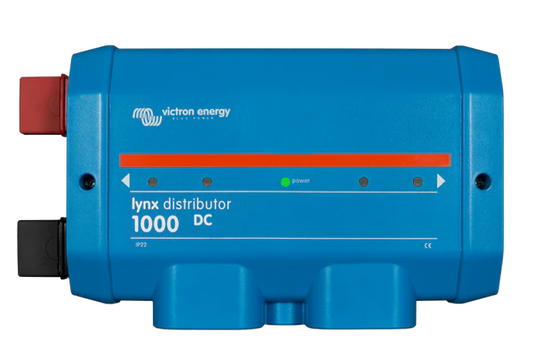
Deep Cycle Systems (DCS) makes Australian-made lithium batteries with quality build and warranty support, fitted on rigs that want a serious capacity step up from AGM with the local-supply backup. Simarine covers marine-grade battery monitoring with high-resolution displays and Bluetooth connectivity, used on premium touring builds where the owner wants full visibility. Victron Energy rounds out the lineup with marine-grade chargers, monitors and inverters with strong Bluetooth integration, used on extended touring and remote-living rigs.
We also stock Bainbridge Technologies, Battery Works and selected Front Runner power components, plus the cabling, fuses and supporting hardware that hold a touring electrical system together.
WE'LL TELL YOU IF YOU'RE PICKING THE WRONG BATTERY SYSTEM
Our team has designed and installed battery systems for hundreds of vehicles travelling across Australia. From coastal touring to remote desert expeditions and mountain tracks, we understand how electrical systems behave in real-world environments.
We help customers design systems that match their vehicle, travel style and electrical requirements. Instead of recommending unnecessary upgrades, we focus on building reliable systems that deliver consistent performance. When browsing these products you are looking at carefully selected components that we trust and recommend.
WHAT A QUALITY BATTERY SYSTEM INSTALLATION INVOLVES
Battery installs touch electrical work where the consequences of getting it wrong are fire risk, dead batteries, alternator damage and intermittent failures that are very hard to diagnose later. Wire gauge has to match current draw, fuses have to be correctly placed (within 30cm of the battery), main earth has to be bonded to the chassis, and the install needs to be tidy enough that future service is straightforward.
We install dual battery and lithium systems at Ferntree Gully and Pakenham with proper cabling, fuses, dash monitoring and full documentation. Send us a service enquiry with your vehicle, fridge and intended trip duration and we will spec the system.






 Read the Privacy Policy



 1300 633 762