Mobile reception fails the moment you leave the highway. Once you do, the only ways to coordinate with other vehicles, pass on track conditions or call for help are UHF radio (vehicle-to-vehicle), satellite communications (vehicle-to-anywhere) and an EPIRB or PLB (emergency-only). The right combination depends on where you tour and how remote you go.
Ultimate Offroad supplies and installs GME UHF radios, Garmin GPS units, satellite communications and the antennas, mounting brackets and wiring needed to make them work reliably. Vehicle-specific install at our Victorian workshops, with proper antenna mounting and SWR tuning so the radio actually transmits when you need it.
KEY CATEGORIES AND WHAT THEY'RE BUILT FOR
UHF RADIOS
5-watt vehicle UHF for convoy and travel-channel comms. 5-15km line-of-sight range with the right antenna and ground plane.
GPS NAVIGATION
Hema and Garmin offline mapping with Australian track data, waypoints and trip-planning tools. Works without mobile coverage.
SATELLITE & EPIRB
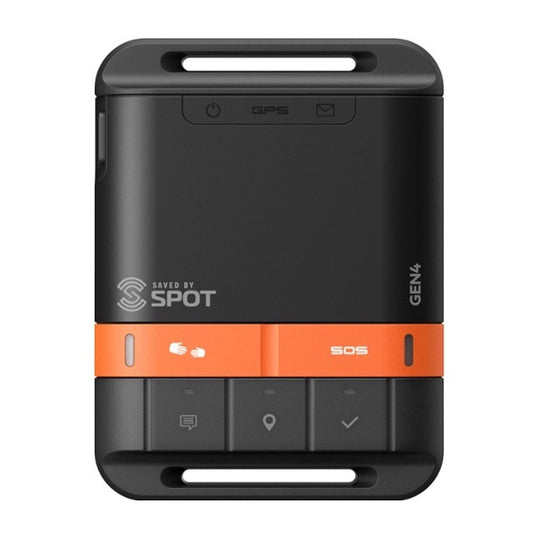
SPOT GEN trackers for OK and SOS messaging via Iridium satellite. EPIRBs for genuine emergencies in remote country.
PHONE MOUNTING
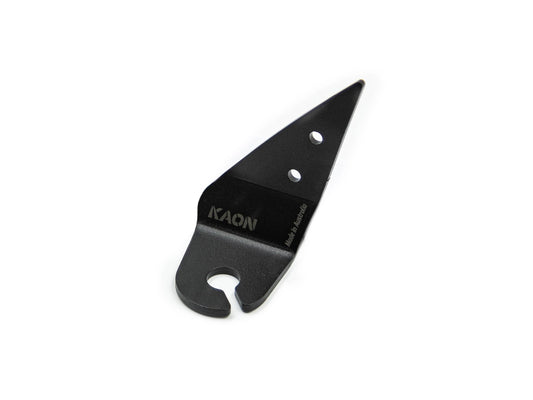
RAM and KAON mounting brackets for hands-free phone access, vehicle-specific dash, A-pillar or windscreen mounts.
UHF RADIO
UHF is the standard for vehicle-to-vehicle communication on Australian tracks. Range depends on terrain, antenna height and antenna gain. Touring convoys typically run 5-watt UHF with 6.6dB or 9dB antennas, giving 5 to 15km line of sight in open terrain. Hilly or wooded country reduces range.
Channel 40 is the highway truck and travel channel; channels 17 and 18 are common convoy channels. UHF Citizen Band radio in Australia does not require a licence, channels and protocols are public. We install UHF radios with vehicle-specific dash mounting and external antenna fits to bull bar or roof rack.
ANTENNA MOUNTING DETERMINES ACTUAL RANGE
The radio is half the system. The antenna does the rest. Antenna gain (dBi rating), mounting position and ground plane all affect actual range. A 9dB antenna mounted on a steel bull bar performs differently to the same antenna on a roof rack. We mount UHF antennas with the right ground plane and SWR test to confirm tuning.
Pick gain by terrain: 3dB for hilly off-road country (wider beam pattern), 6.6dB for general touring, 9dB for highway and flat-country use (narrow beam, longer range). Most touring builds compromise on 6.6dB. Ground plane matters: avoid plastic-only mounting points, and a steel bull bar or a ground plate on a roof rack is what makes the antenna radiate properly.
GPS NAVIGATION
Smartphone navigation works in town but fails the moment cell coverage drops. Dedicated GPS units with offline mapping work everywhere, because GPS satellite signal drives location, not mobile reception.
Hema Maps is the standard for off-road navigation in Australia, with detailed track data, waypoints and trip-planning tools. Garmin Tread combines on-road and off-road navigation in one unit, and the dash-mount Tread units handle vehicle-grade vibration and temperature. Hema Maps stores full topographic and track data offline, no mobile signal required.
SATELLITE COMMUNICATIONS AND EPIRB
Beyond UHF range, satellite communications are the only option. SPOT GEN devices and similar trackers send pre-set messages (OK, help non-emergency, SOS) via Iridium satellite from anywhere on Earth, with subscription required for ongoing messaging.
EPIRBs (Emergency Position Indicating Radio Beacons) are SOS-only devices required by law on remote tracks in some areas and strongly recommended for solo travellers and 4WDing in true remote country. EPIRB and PLB (Personal Locator Beacon) differ in registration and battery life: EPIRBs register to a vehicle or vessel with longer battery life, PLBs register to a person, smaller form, shorter battery. Both transmit on 406MHz to satellite when activated.
MOBILE PHONE MOUNTING
For everyday navigation and hands-free use, mounted phones are the rule. Mobile mounting solutions from RAM Mounts and KAON keep your phone visible without compromising vehicle safety. Vehicle-specific brackets bolt to dash, A-pillar or windscreen mount.
For tablets and larger screens (touring rigs running mapping or trip-planning apps), tablet holders mount on dash or centre console and integrate with vehicle power.
BRANDS WE STOCK AND WHY
GME is the standard for Australian UHF radios. The XRS Connect Pro, TX3500S and TX3520 are the radios we fit most: Australian-made, full feature set, strong service support. Pair with GME 6.6dB or 9dB antennas for the best fit. Garmin is the benchmark for GPS navigation in 4WD applications, with Garmin Tread and the Hema Maps integration giving offline navigation across Australia, including track data, fuel and accommodation overlays.
All Sat Communications covers satellite communications and tracking solutions for remote travel beyond UHF range. We also stock Hema Maps printed and digital products, KAON mounting brackets and selected RAM Mounts components.
WHAT A QUALITY COMMUNICATIONS INSTALLATION INVOLVES
Radio and GPS install requires running cables through the firewall, mounting the head unit cleanly into the dash, fitting an external antenna with proper grounding, and (for radios) tuning the SWR (standing wave ratio) so the transmit signal is not reflecting back into the radio. SWR is the part most home installs skip and it determines whether the radio transmits correctly.
We do this at Ferntree Gully and Pakenham with proper cable routing and SWR meters. We confirm a firm timeframe at booking. Send a service enquiry with your vehicle and the comms package you want.






 Read the Privacy Policy


 1300 633 762